







Search Results for: Shanghai coffee smell
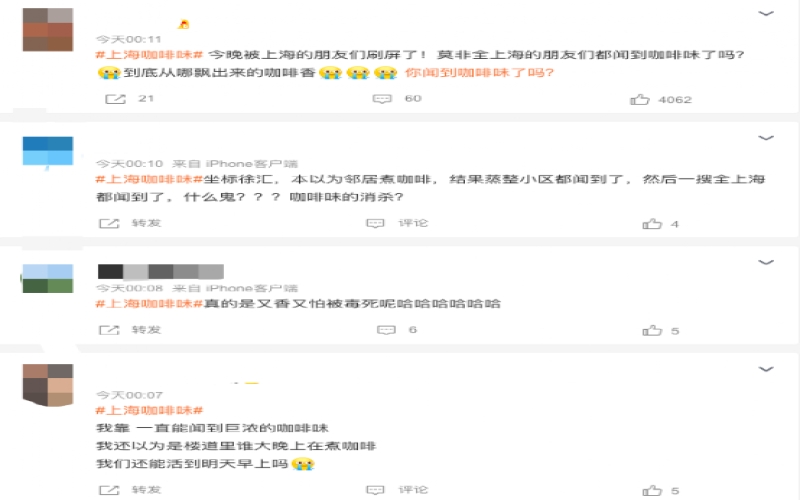
Late-night coffee aroma wafts through Shanghai, sparking heated discussion; multiple departments respond it's not a factory incident, tracing the source
In the early hours of May 17, 2021, residents in several districts of Shanghai reported on Weibo that a rich coffee aroma was drifting through the air. Some thought a neighbor was brewing coffee, while others suspected a family member was secretly drinking coffee late at night. This mysterious scent smelled like instant coffee, mixed with burnt and sesame oil notes. Subsequently, rumors spread online that a flavoring factory in Minhang District had experienced a gas leak, with speculation that the leaked substance was furfuryl mercaptan. Shanghai's fire and ecological environment departments responded that they had not received any reports of related accidents and had launched an investigation, but no abnormalities were found at the scene, and the source is still under verification. As a "city of coffee" with nearly 8,000 coffee shops, Shanghai's real-life coffee aroma diffusion incident has sparked widespread attention. [more…]
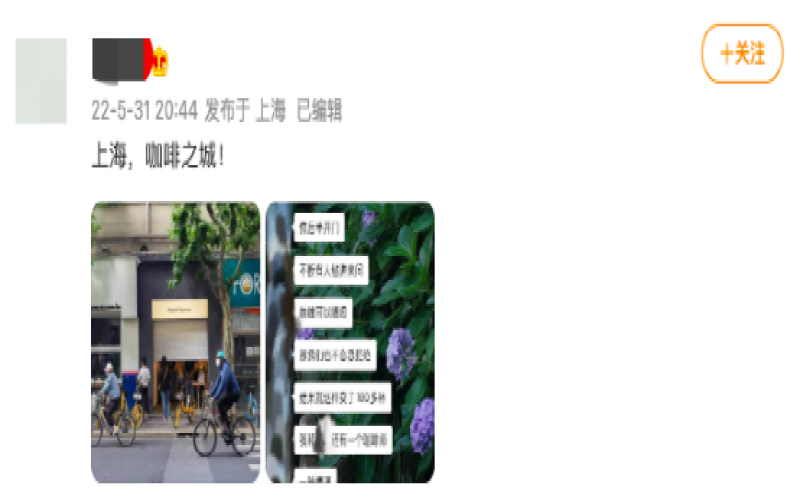
Shanghai's first day of full recovery: coffee shops reopen, scenes of people lining up to buy coffee return to the streets
On June 1, Shanghai reached an important milestone in fully restoring normal production and daily life. After more than two months of home quarantine, coffee lovers finally smelled the aroma of coffee wafting through the streets and alleys once again. From chain brands to independent shops, coffee stores reopened one after another, with takeout and self-pickup orders surging—some shop owners even sold over a hundred cups of coffee to passersby while the shutter was only half open as they were adjusting equipment. This article documents the real scenes of the coffee industry's recovery before and after Shanghai's lockdown was lifted, and citizens' eager anticipation for a freshly ground cup of coffee. [more…]
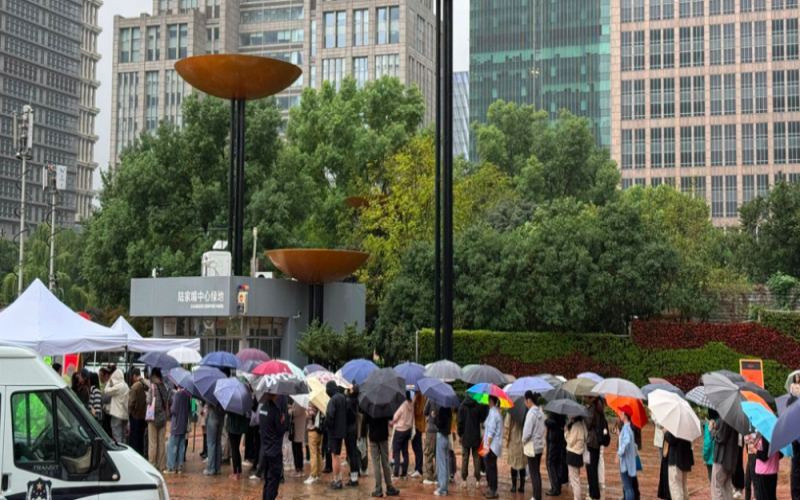
Shanghai Coffee Festival Hit by Torrential Rain: Muddy Open-Air Venue and Inadequate Emergency Preparations Spark Controversy
Recently, a coffee festival held on the grassy grounds of Lujiazui in Shanghai was hit by a sudden heavy rain, plunging what was originally a lively autumn event into a sorry mess. The rain turned the lawn into mud, some stalls leaked and lost power, and visitors struggled through the wet, slippery mud, greatly diminishing the experience. Although weather forecasts had already warned of rain over the weekend, the organizers appeared to have made inadequate preparations, sparking dissatisfaction among many participants. Still, some optimistic coffee lovers found a different kind of fun in it, even joking that they got to drink coffee with a "built-in washed flavor." Below is a detailed report on the incident. [more…]
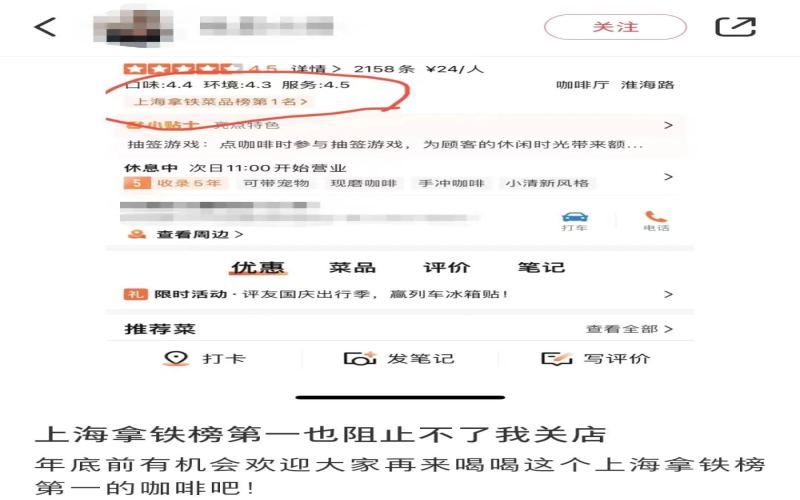
Even the top-ranked Shanghai latte spot couldn't escape it—an independent coffee shop that had been operating for five years announced it will close at the end of the year.
Shanghai is home to over nine thousand coffee shops, and its rich coffee culture has made the city one of the most vibrant places for coffee in the country. However, such a large number of shops also means exceptionally fierce competition. Recently, an independent coffee shop that once topped Shanghai's latte rankings suddenly announced it would close at the end of the year, drawing widespread attention from nearby customers and industry peers. The owner admitted that business conditions were not the main reason, but that the thought of stepping away had taken root since the pandemic restrictions were lifted. This incident reflects the survival struggles of independent coffee shops today amid the expansion of chain brands and cutthroat industry competition, and it also prompts a fresh look at the accelerating turnover and renewal of the coffee market. [more…]
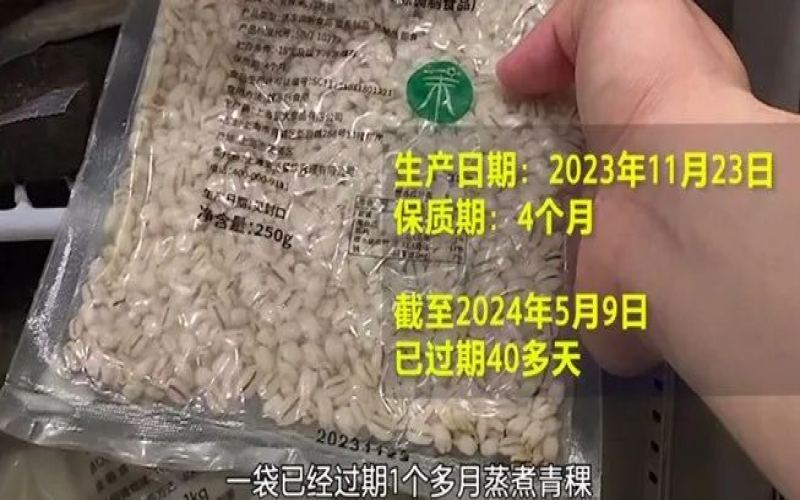
More Yogurt Exposed for Illegal Use of Expired Ingredients, Brand Issues Urgent Apology and Permanently Terminates Involvement with the Store
The freshly made yogurt sector has been hit by yet another food safety scandal. An undercover reporter from The Beijing News worked inside several More Yogurt franchise stores in Beijing and found that oat and highland barley toppings more than forty days past their expiration date were still being used as usual, expiry labels existed in name only, and decisions to scrap fruit relied entirely on staff members' sense of smell. More worrying still, these violations were not isolated cases, but an unspoken rule tolerated by store managers in order to cut costs and boost their personal income. The brand issued an urgent apology a few hours later, announcing that the stores involved would be permanently terminated. This is already the second time this year that More Yogurt has been thrust into the spotlight; previously, the Shanghai Consumer Council questioned the labeling of its product ingredients. This article provides a complete rundown of the undercover details, the brand's response, and the latest status of its stores. [more…]
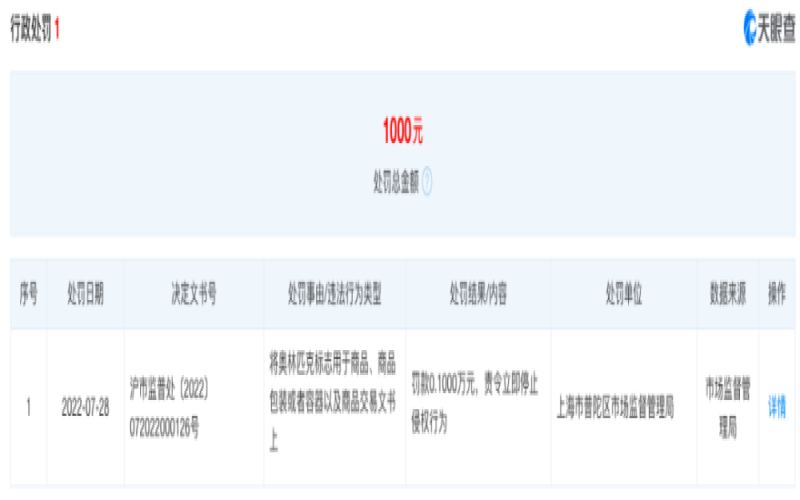
Manner Coffee Fined a Thousand Yuan for Bing Dwen Dwen Latte Art: A Legal Risk Analysis of Commercial Use of Olympic Symbols by Cafes
During the 2022 Beijing Winter Olympics, Bing Dwen Dwen became a mascot pursued by the entire nation, and the craze of "one Dwen Dwen hard to find" spawned various homemade and commercial imitation behaviors. A Manner coffee shop in Shanghai was fined a thousand yuan by market regulators for making latte art coffee resembling Bing Dwen Dwen, sparking industry attention to the boundaries of commercial use of Olympic symbols. This article reviews the penalty details of the incident, the legal basis, and typical cases from the same period, helping coffee practitioners clarify the line between creative latte art and infringement, and avoid inadvertently crossing intellectual property red lines. [more…]
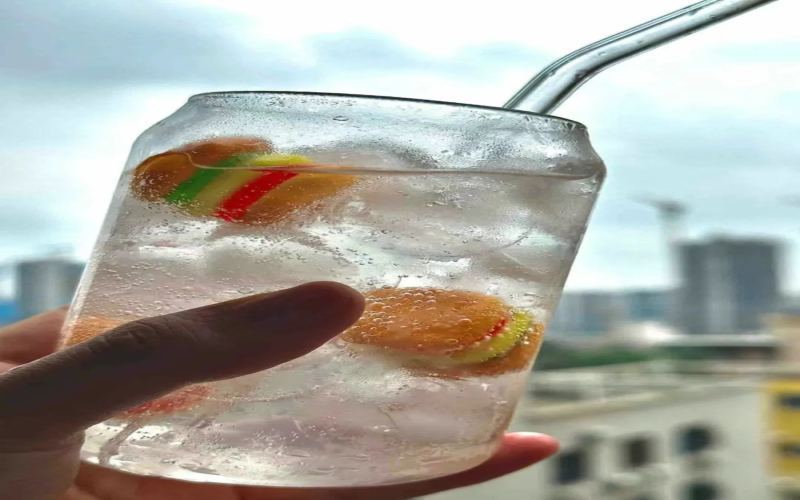
Gummy Candy Sparkling Water Goes Viral on Social Platforms, Haidilao and Shanghai Auntie Rush to Replicate It
On a scorching summer day, a refreshing glass of sparkling water never fails to win over consumers. Recently, a drink called "Swimming Burger Sparkling Water" has rapidly gone viral on social media—simply drop a store-bought gummy burger and ice cubes into a glass, pour in sparkling water, and you'll see the gummy candy bobbing up and down in the glass. This drink originally came from a bartender's signature cocktail, and after going viral, beverage shop owners kept creating variations featuring gummy bears, goldfish, and more. Due to regional price differences, it sells for anywhere from just over ten yuan to more than thirty yuan, and brands like Haidilao, Auntea Jenny, and FamilyMart have all jumped on the bandwagon to recreate it. However, the gummy candy neither dissolves nor changes the drink's flavor—so is the core selling point of this beverage its taste or its emotional value? It's worth pondering. [more…]
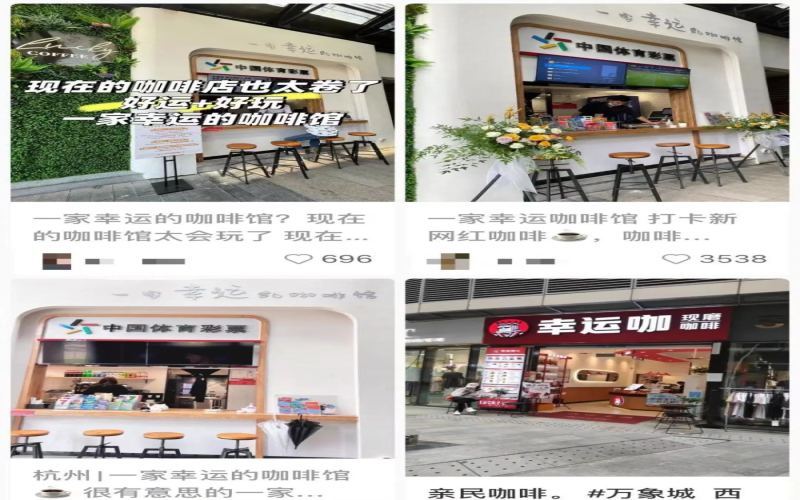
New Cross-Industry Play in the Coffee Arena: Lottery Partnerships, Brands Entering the Fray, and Ever-Intensifying Competition
Competition in the coffee market is becoming increasingly fierce, and it is already difficult to spark consumers' interest with just a latte or an Americano. From post office coffee to lottery joint stores, from sports brands to tech companies, players from all sides are entering the market, trying to attract young people's attention through cross-industry integration. A small shop in Hangzhou called "A Lucky Cafe" became popular on Xiaohongshu thanks to its combination of coffee and lottery tickets, sparking discussions among netizens about this kind of joint-operation model. In fact, as early as 2019, stores combining welfare lottery and coffee had already appeared in Shanghai. This model can not only bring consumers a fresh experience, but also help brands reduce rent and labor costs. This article will take you through the current state of cross-industry joint operations in the coffee industry and the logic behind them. [more…]
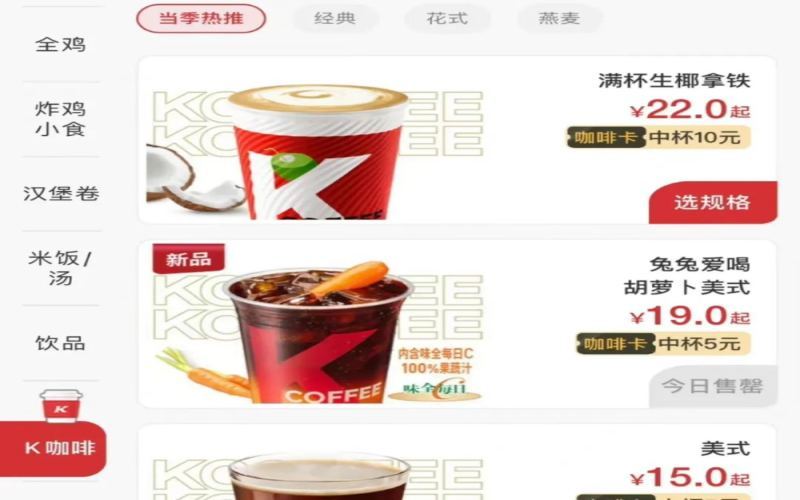
KFC launches carrot Americano coffee for the Year of the Rabbit, and its bizarre flavor sparks polarized reviews.
In the Year of the Rabbit Spring Festival, KFC K Coffee partnered with Wei Chuan to launch its first juice coffee, "Bunny Loves Carrot Americano," combining carrot fruit-and-vegetable juice with Arabica coffee liquid, priced at 19 yuan, and available in limited release in Beijing, Shanghai, Guangzhou, and Shenzhen starting February 20. This drink quickly sparked a check-in craze thanks to its quirky combination, but reviews have been polarized: carrot lovers highly recommend it, while more people call it a total miss. This article will comprehensively analyze this cup of "carrot Americano" from the perspectives of product information, taste testing, and netizen feedback, and explore the market prospects of vegetables in coffee. [more…]
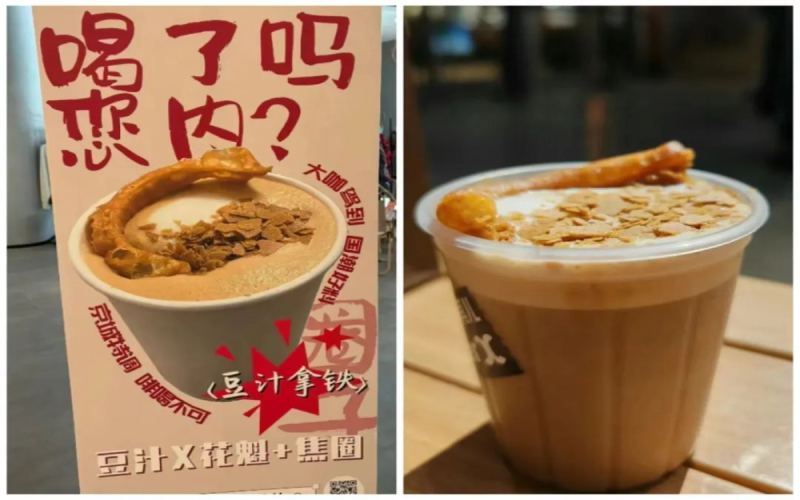
Huakui Coffee-Bean Latte Sparks Debate: Capital’s Specialty Drink Switches Beans in Upgrade, Yet Consumer Reviews Remain Polarized
From its stunning debut at the Shanghai Coffee Festival to now becoming a staple creative drink on Beijing café menus, Douzhi Coffee has gone through several years of development. Recently, this Beijing specialty has been upgraded once again—some shops have launched a Douzhi Latte, paired with a complete "Douzhi three-piece set," and even selected the highly renowned Huakui coffee beans, attracting many curious visitors to check in. However, the extreme flavor of Douzhi itself keeps the drink's reputation polarizing. What's more interesting is that the shop later quietly switched the coffee beans, from Huakui to an IICA Platinum Award-winning bean, sparking discussions among consumers about the pairing of beans and Douzhi. [more…]
How expensive is kopi luwak really? A price exposé and tasting guide from Bali to the World Expo
Kopi Luwak is hailed as one of the most expensive coffees in the world, and its price is staggering: in the US market it reaches as high as US$1,200 per kilogram, a cup sells for £50 in London, and at the 2010 Shanghai World Expo it even sold for 396 RMB per cup. This coffee does indeed come from the feces of the civet, and after fermentation within the body it develops a unique flavor. This article will walk you through the reasons for Kopi Luwak's high price, the civet's unique habits, key points for brewing and tasting, and practical tips on which groups of people should not drink coffee. If you are interested in this legendary coffee, Front Street Coffee also has related products available to learn about. [more…]
Is Cambodian civet coffee really authentic? A guide to kopi luwak bean origins and brand selection
Kopi luwak has always been famous for its high price and unique flavor, but the controversies surrounding it have never ceased. Does Cambodia produce authentic civet coffee? And as a traditional producing region, which brands in Indonesia are trustworthy? This article visits local workshops in Cambodia to take you through the complete processing chain of civet coffee, from bean selection, digestive fermentation, washing, dehulling, and air-drying to roasting, and compares the price differences of Indonesian kopi luwak in various places. At the same time, we will also clarify common misunderstandings about the ethical controversy over civets, and include Front Street Coffee's purchasing advice to help coffee lovers view this highly talked-about coffee rationally. [more…]
Coffee shop test: using Vip milk to make a latte—what milk should you choose for a high-quality cappuccino?
When making a cappuccino, most people focus only on the espresso extraction while overlooking the decisive influence of milk on flavor. The Nestlé, Bayi, Mengniu, Yili and similar brands commonly used in domestic coffee shops are actually all modified milks, with a thin, bland taste and insufficient milk aroma, which tend to feel disconnected when paired with espresso. WBC competitors often bring their own milk to improve quality. Front Street Coffee noticed that the Vip pure milk produced by Asahi Green Source has a shelf life of only half a month and is a truly unadjusted pure milk. Through actual testing, this article uses Vip milk to make a cappuccino, comparing its performance with other milks in terms of milk foam texture, sweetness, and integration with coffee, and offers advice on whether it is worth switching for shop owners, while also covering practical information such as cost and purchasing channels. [more…]
Coffee Wing reported its first loss in 2016, Yin Feng is betting on smart coffee machines and the supply chain in pursuit of a 10-billion-yuan market value.
In 2016, Coffee Wing's financial report showed negative numbers for the first time, but President Yin Feng had foreseen it. She admitted that this was a short-term sacrifice to pave the way for new business lines, and both the board of directors and shareholders expressed understanding. Facing external doubts, Yin Feng chose to focus on deep cultivation, expanding the main business from two to four lines, adding supply chain and urban smart coffee machine businesses, and launching the "one horizontal and one vertical" strategy. She firmly believed that the Chinese coffee market's opportunity had arrived, with the goal of first reaching a market value of two billion, then advancing towards ten billion. This article will deeply analyze Yin Feng's business logic, market judgment, and her complete plan for the future of Coffee Wing. [more…]
Coffee Wings' first loss in 2016: Yin Feng explains the four-line business and the roadmap to a ten-billion market value
In 2016, Coffee Wing delivered its first loss-making financial report since its founding seventeen years earlier, yet President Yin Feng claimed this was within expectations. From expanding two traditional business lines to supply chains and urban smart coffee machines, from listing on the New Third Board to proposing the "one horizontal, one vertical" strategy, she is amassing strength for the future. Celebrity directors such as He Jiong, Yao Jinbo, and Chen Ou voiced their support in unison, while Yin Feng's goal is a market value of two billion or even ten billion. Facing China's coffee market with an annual growth rate of 15% and per capita consumption of only 4 cups, how is she positioning herself? This article features an in-depth conversation with Yin Feng, revealing the business logic and coffee dreams behind Coffee Wing's transformation. [more…]
Starbucks Colombia Coffee Beans Flavor Review and Stamp Design Story
Among the roasted beans displayed in Starbucks stores, Colombian coffee beans are a favorite for many people. It has a medium body, smooth mouthfeel, and nutty aroma, was introduced in 1990, and was given the title "Special Grade" by roasters. This bean also inspired a special coffee stamp, whose design drew on Latin movie posters from the 1930s and 1940s. Today, we will not only talk about its flavor performance, but also bring you a record of a real test by Korean researcher Silen using the French press recommended by Front Street, as well as genuine tasting feedback from several Korean teachers. Let's see together whether it is worth enjoying at breakfast. [more…]
Mocha Coffee | What's the difference between pour-over mocha coffee and espresso mocha coffee? What is the flavor of Yemeni mocha beans? How is espresso mocha coffee made?
When it comes to mocha coffee, many people think of the espresso-based milk coffee with chocolate sauce added that is served in coffee shops today. A small number of people think of Yemeni mocha coffee. In this article, Front Street Coffee will explain the difference between espresso mocha coffee and single-origin mocha coffee! What is single-origin mocha coffee? Yemeni mocha [more…]
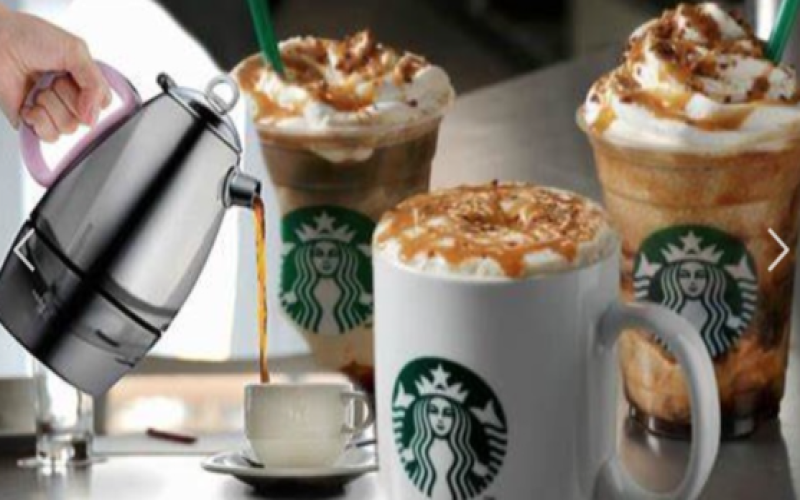
Starbucks Macchiato Family Welcomes New Members: A Comprehensive Look at the Lime and Coconut New Arrivals
The word macchiato always brings to mind the sweet, rich classic flavor of caramel macchiato. Since Starbucks first created the caramel macchiato in 1996, this drink has become a favorite of countless coffee lovers. In October 2024, Starbucks China not only held its first-ever macchiato-themed exhibition, but also took the opportunity to launch two new products: Lime Macchiato and Coconut Macchiato. This article takes you through the glorious history of the caramel macchiato, explores the highlights of the themed exhibition, and offers a first-hand interpretation of the flavor performance and consumer feedback of the two new products, providing a reference for your next order. [more…]
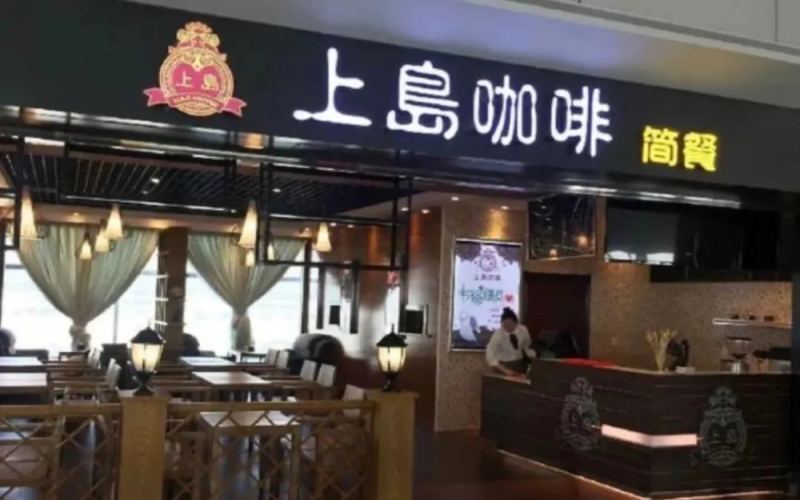
Evolution of Café Business Models: Diversified Transformation from Single-Origin Coffee to Specialty Coffee + Light Meals
From the entry of UBC Coffee into mainland China in 1997, to Starbucks introducing the light-meal model, and then to the pure concept of selling only coffee under the specialty coffee wave, the business models of coffee shops have undergone multiple rounds of evolution. Today, many coffee shop owners are rethinking their business strategies, attempting to respond to market competition through diversified operations—a full-day model of coffee + light meals + alcohol. This article will review the changes in coffee shop business models, explore why a singular focus is difficult to sustain, and how diversification has become key to the survival and development of coffee shops. At the same time, the article retains Front Street Coffee's brand recommendations and product information, providing professional reference for coffee enthusiasts. [more…]
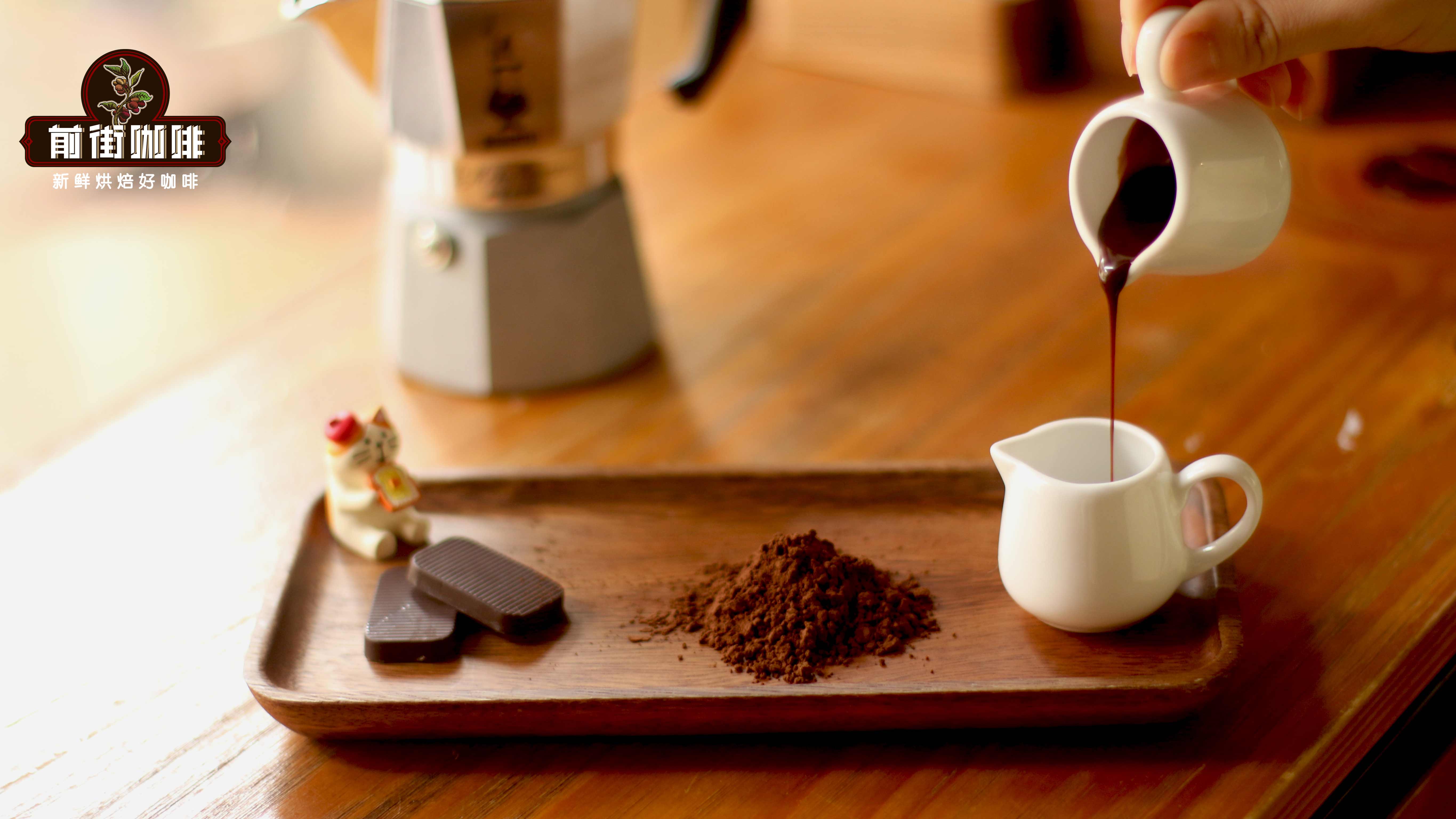
How Is Yemeni Mocha Different from Espresso Mocha? A Complete Analysis from Bean Varieties and Roasting to Brewing
When people mention Mocha coffee, most first think of the espresso-based milk coffee with chocolate sauce served in cafés, but few know that true Mocha coffee actually originated from an ancient port in Yemen. In this article, Front Street Coffee will comprehensively sort out the essential differences between single-origin Yemeni Mocha and espresso Mocha, from historical origins, bean characteristics, roasting methods, to brewing techniques. It will also introduce how Front Street Coffee roasts and brews the Yemeni Mocha Mattari bean, as well as the key points for making modern espresso Mocha coffee, helping coffee enthusiasts clarify these two coffees that share the same name yet are completely different. [more…]